
We all have our corporate bêtes noires. For many years mine was British Airways, whose policy of overbooking flights led to my family being bumped off a flight home from Miami. Campaigners concerned about climate change despise the big oil companies. Or the banks, always the banks.
We feel worst about being ripped off when we have no choice. In theory we can choose which airline or ticket agency we use. But by choosing where we want to fly to and when, we are usually restricted to a single airline, and there is normally only one supplier of tickets to a gig.
Anger about rip-offs is compounded by the lack of human contact, and the absence of accountability. At the first difficulty customers are fobbed off with a “virtual assistant” which typically helps you not at all and then complacently asks “Can I help with anything else today?” Else?
Surveys of the world’s most loved and most hated brands often include the same companies. This is not surprising: Amazon for example combines an outstanding customer experience with ruthless treatment of its warehouse and delivery workers. We love to play with our iPhones, but at the same time worry about Apple’s market power. Some people will have fun on Facebook, while others will worry about the malign influence of social media. Some companies, however, inspire only hatred and fury.
Ticketmaster
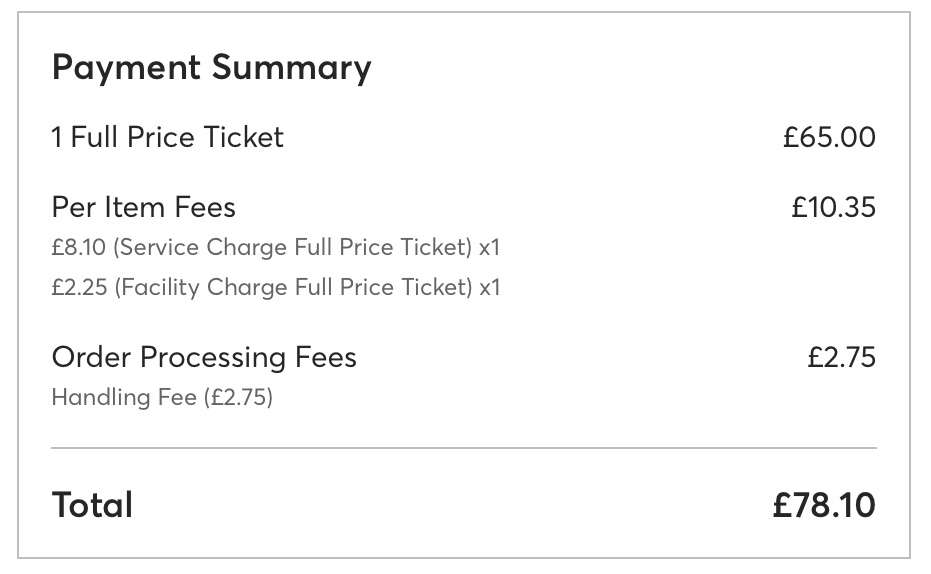
Do you remember when you could just pay the ticket price? Or perhaps phone and speak to a friendly person at the venue box office, who would post your tickets out for a small charge? Now Ticketmaster, the company which holds live music to ransom, makes you download their beastly app – you can’t even print at home. And if you don’t have a smartphone, you’re stuffed. There’s a lot of work, and you have to do it all yourself. So what are all these charges about? Service Charge – what service? Facility Charge? You would think that the venue’s costs would be in the basic ticket price. Handling fee? No-one’s handled anything. The customer has just spent a stressful 20 minutes struggling with their stupid website. So they’ve added 20% to the ticket price for nothing. Utter bullshit.
Add to that Ticketmaster’s dynamic pricing debacle with Oasis tickets and their long history of touting hot tickets on their own secondary sales platform. They’re routinely ripping off customers, artists and venues. It wouldn’t be so bad if you thought they employed many people and paid them well, but you just know all the money will go to a handful of executives at the top of the organisation, and that the people doing the work on the ground will be poorly paid.
It would be gratifying to see the Competition and Markets Authority kick the company to its knees and put the executives on trial for fraud, but I’m not holding my breath.
Ryanair
Some years ago, I read that Michael O’Leary, the Group CEO of Ryanair, was having lunch with his family in a Dublin restaurant when he was recognised, then surrounded and hassled by disgruntled Ryanair customers.
Leave the man alone. A fellow should be able to enjoy a family meal in peace. And yet…most people who have experienced booking and flying with his airline would at some point have wanted to punch him in the face. We have no problem with cheap and basic. But it’s the endless add-ons when you try to book, the stories of outrageous gotcha fees when passengers fail to comply in a trivial way (like the woman charged €300 to print out five boarding passes to fly from Alicante to Bristol), the attempt to charge for wheelchairs, the threat to charge for using the toilet…and much more. The sheer nastiness of the airline, and the man in charge.
Given the pent-up anger and frustration of customers, it wasn’t surprising that when they saw the man responsible they took the chance to give him some feedback.
Feedback. We’re always being asked for feedback: you can’t go out for an evening without being pestered to spend 30 minutes filling in endless surveys which will never be read or acted upon.
UnitedHealthcare
One man, unidentified at the time of writing, seems to have decided to provide feedback which could not be ignored. On December 3 2024 in New York City he shot dead Brian Thompson, chief executive of UnitedHealthcare, the US’s largest health insurer.
Police profess to be unsure of his motives, but the murderer left them some clues: bullets and shell casings marked with the words “depose” “deny”, and “defend” were found at the scene. This seems to be a misquotation of Delay Deny Defend: Why Insurance Companies Don’t Pay Claims and What You Can Do About It, a book from 2010 by law professor Jay Feinman, which accuses insurers of using unethical practices to delay or deny paying out health claims.
UnitedHealthcare was also criticised in 2023 by federal investigators for frequently denying insurance claims and doctors’ requests for approval of treatments. There were also protests against the company by angry customers whose claims had been denied in July 2024.
It seems likely that Thompson’s killer had a health insurance claim for himself or a loved one turned down. It is easy to imagine him going through a tortuous appeal system and escalating his complaint through the company without success – or any sign of being taken seriously – and eventually becoming so enraged that he took extreme action.
No doubt police will be searching through the huge pile of denied claims and sifting through the many people likely to bear a grudge against the company. Ryanair and Ticketmaster are much despised, but generally their provocations are trivial, and focused on leisure choices. The threat to life would come not from the breadth of unpopularity, but from its intensity: companies like UnitedHealthcare can actually ruin people’s lives, and in this case the company seems to have pushed a man to violence.
The first shot
Hopefully the murder of Brian Thompson is not the start of a trend. Unsurprisingly in the days following his death a number of health insurance companies removed photographs of their executive leadership from their websites following Thompson’s death, and private security firm Allied Universal reported a surge in inquiries about protective services and security for CEOs and corporate executives. If I were CEO of an unpopular firm I would be doing the same. Perhaps this was the first shot of the revolution.
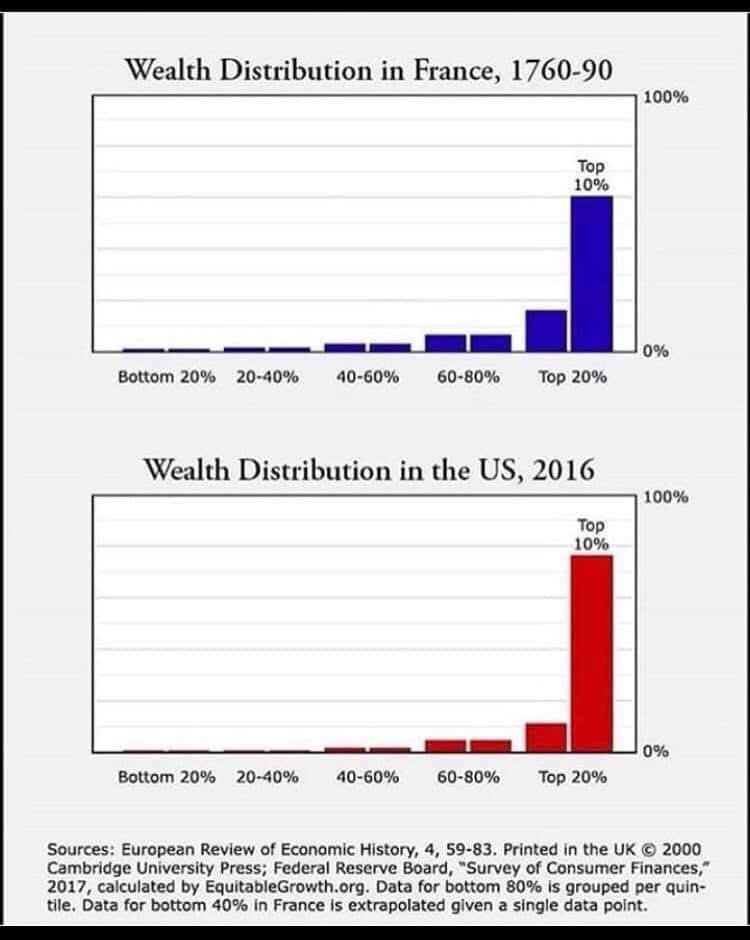
But besides improving their security, there is something else that corporate executives could do to make themselves safer. They could stop being assholes. The violence was shocking and unjustified, but it wasn’t unprovoked. If healthcare and other companies were to stop abusing their customers and start to behave more ethically – even if only out of fear for their safety – then some good will have come of this unfortunate event. Perhaps this is what it takes to make a change.


 Ramblings
Leave a comment